


5 Days Lake Manyara, Serengeti & Ngorongoro | Lodge safari
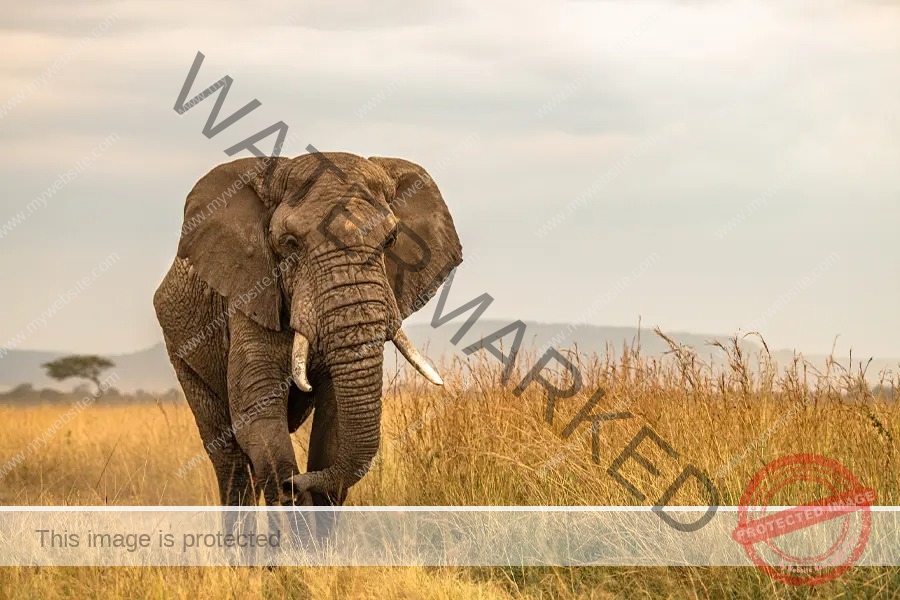
So, imagine kicking off your trip with elephants under tree canopies at Lake Manyara—it’s like stepping into a hidden jungle world. Then we head into the Serengeti, which feels infinite, with animals everywhere you look. You’ve probably seen the migration on TV, but being right there with the wildebeest and lions just a few meters away? Unforgettable. We wrap it up with Ngorongoro Crater, where the landscape just drops away to this bowl of wildlife. It’s like someone scooped out paradise and filled it with zebras, rhinos, and flamingos. You won’t believe how much you’ll see in just 5 days!
5 Days Lake Manyara, Serengeti & Ngorongoro | Lodge safari
So, this one starts off in Lake Manyara—honestly, it’s such a peaceful place. You drive in and suddenly it’s monkeys everywhere, birds calling out, and elephants just casually strolling through the trees. It’s got this jungle-meets-lakeside vibe that feels super serene. Then comes the big one: Serengeti. And I mean big. Endless plains, those classic safari scenes, and animals everywhere. You start playing this game in your head like, “What’s that in the grass?” and nine times out of ten it’s a lion or a cheetah just blending in. We end in Ngorongoro, and I kid you not, it’s like the earth just decided to carve out a massive bowl and sprinkle every African animal in there for fun. One minute you’re looking at a rhino, next minute it’s a pride of lions. It's the kind of trip that makes you forget your phone unless you're taking a million pictures.
Depart Arusha in the morning for Lake Manyara. Afternoon game drive , dinner and overnight at Lake Manyara wildlife Lodge
Located beneath the cliffs of the Manyara Escarpment, on the edge of the Rift Valley, Lake Manyara National Park offers varied ecosystems, incredible bird life, and breathtaking views. Lake Manyara’s famous tree-climbing lions are another reason to pay this park a visit. The only kind of their species in the world, they make the ancient mahogany and elegant acacias their home during the rainy season, and are a well-known but rather rare feature of the northern park. In addition to the lions, the national park is also home to the largest concentration of baboons anywhere in the world — a fact that makes for interesting game viewing of large families of the primates.
After breakfast depart for Serengeti passing through Olduvai Gorge, the site of Leakey’s family discovery of fossils of human and animal ancestors dating back to almost two million years. Meals and overnight at Serengeti seronera lodge.
Full day in Serengeti plains in search for wild game you might have missed the previous game drive. Morning and afternoon game drives. Meals and overnight at Serengeti Seronera lodge
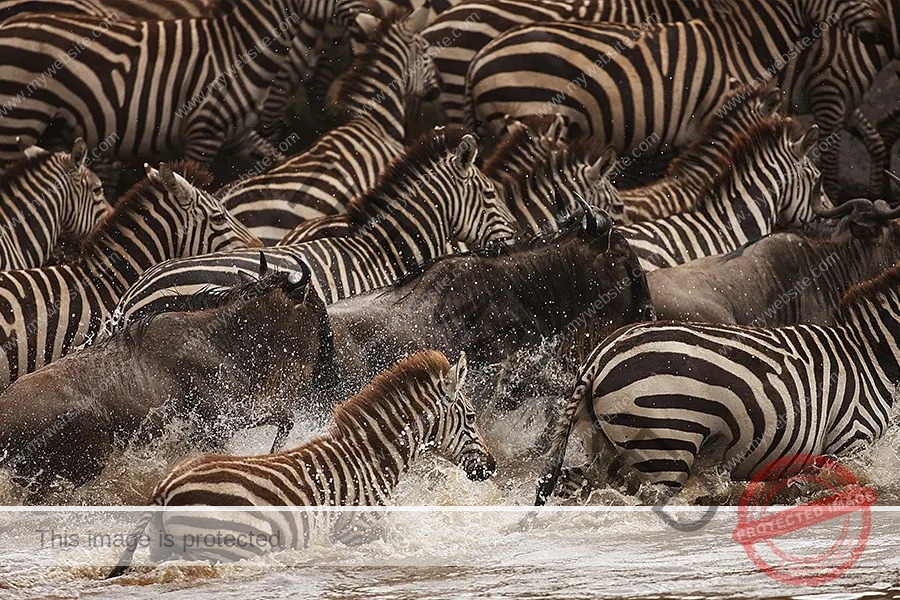
Serengeti is easily Tanzania’s most famous national park, and it’s also the largest, at 14,763 square kilometres of protected area that borders Kenya’s Masai Mara Game ParkIt is the Migration for which Serengeti is perhaps most famous. Over a million wildebeest and about 200,000 zebras flow south from the northern hills to the southern plains for the short rains every October and November, and then swirl west and north after the long rains in April, May and June.
So strong is the ancient instinct to move that no drought, gorge or crocodile infested river can hold them back. The Wildebeest travel through a variety of parks, reserves and protected areas and through a variety of habitat. Join us to explore the different forms of vegetation and landscapes of the Serengeti ecosystem and meet some of their most fascinating inhabitants.
After breakfast a 4wheel drive vehicle will take you 2000ft down to the crater, enjoy picnic lunch at the crater, ascend back to Ngorongoro wildlife Lodge for dinner and overnight.
The Ngorongoro Crater is often called ‘Africa’s Eden’ and the ‘8th Natural Wonder of the World,’ a visit to the crater is a main draw card for tourists coming to Tanzania and a definite world-class attraction. The Ngorongoro Conservation Area (NCA) is home of Ngorongoro Crater. It was formed some 2.5 million years ago from a volcanic mountain sinking due to inactivity, and was initially thought to be higher than Tanzania’s famous Kilimanjaro.
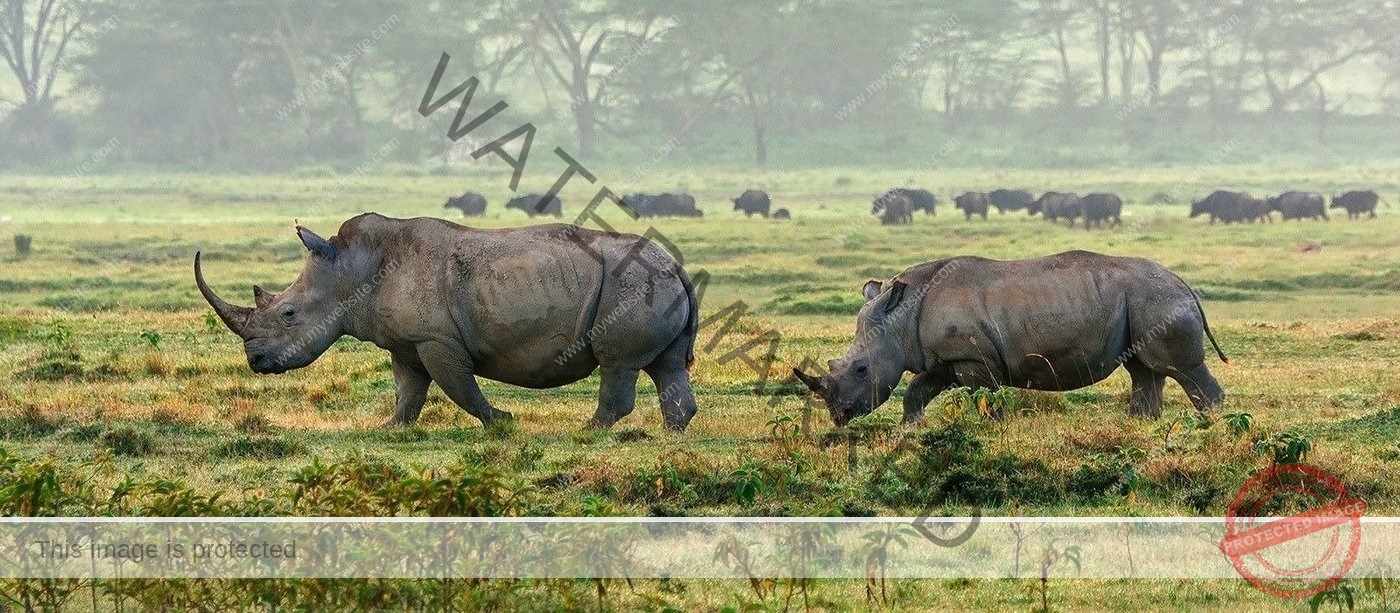
The crater has evolved into a unique and integral part of Tanzania’s eco-system. The crater is actually a caldera, measures 22.5 km’s across and the rim walls stand 600m high. Views from within and from the rim are breathtaking (as can be seen from the picture). The crater houses 30,000 animals, and a large variety of birds, which rarely move from the area due to the availability of water through wet and dry seasons.
Day 5: Arusha
After breakfast depart for Arusha arriving by 1300 hrs where the safari ends.
Includes:
Cost Includes
- Accommodation and meals as per the itinerary
- Park entrances fees as per the itinerary
- Ground transportation in a 4x4 – safari vehicle (maximum 6 window seats) with a well experienced English speaking driver guide
- Meet and greet services
- Drinking water during the safari
Cost exclude
- Visas (currently US$ 50 per person – Non-Americans / US$ 100.00per person American & Irish citizens)
- Inoculations and personal insurance
- Optional activities and excursions
- Beverages unless stated otherwise
- Gratuities & tips