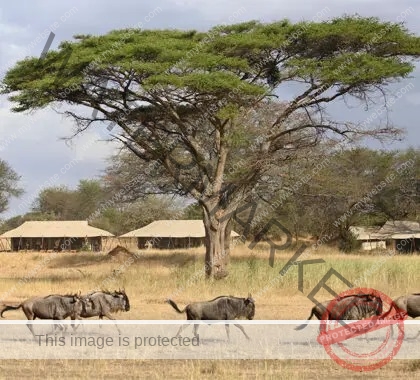
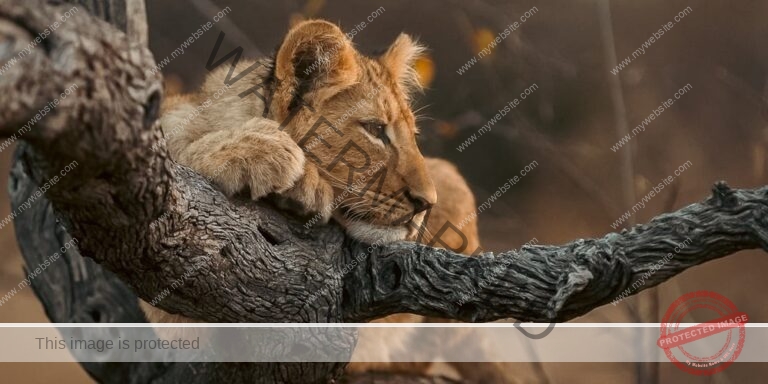
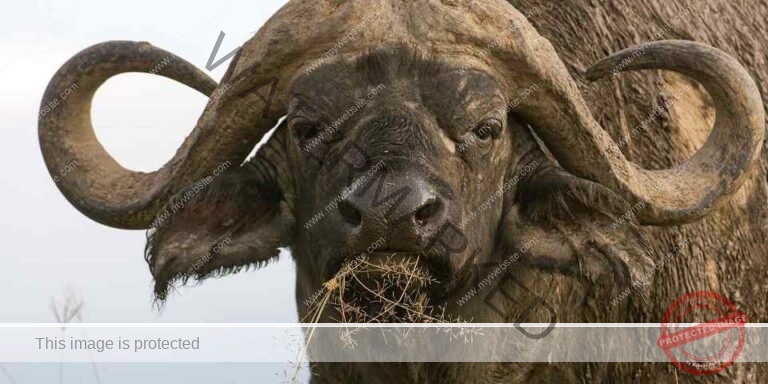
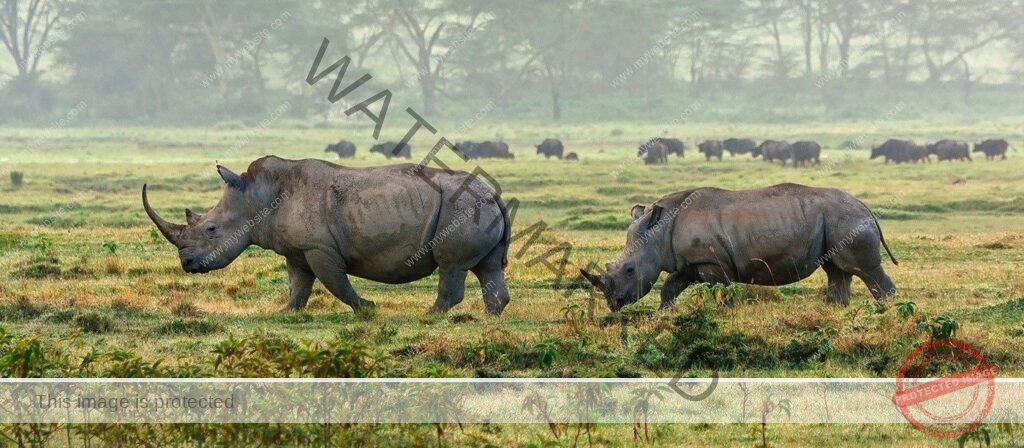
This place is the real deal—open grasslands out to the horizon, scattered hills, river forests and all that drama. “Mara” literally means “spotted,” and yeah, expect it to look like someone splashed green patches all over golden grass. The park divides into eastern, central, and western zones, flanked by rivers and escarpments—pretty neat geography. The Mara River is the star during migration: wildebeest line up by the thousands, then charge across. Crocs wait in the murky water, predators lurk onshore—it’s cinematic. Around 5,000 wildebeest die per crossing, but mother nature replaces them with half a million calves in the Serengeti. Meanwhile, forest strips along the river are packed with monkeys, bushbuck, leopards, colorful birds like robin chats and hammerkops—perfect spots for a quiet break exploring. You’ll also bump into Maasai communities, whose bright red shukas and beadwork really pop against the plains. These proud pastoralists add rich cultural color—lots of opportunities to visit their bomas and even watch their amazing jumping dance.
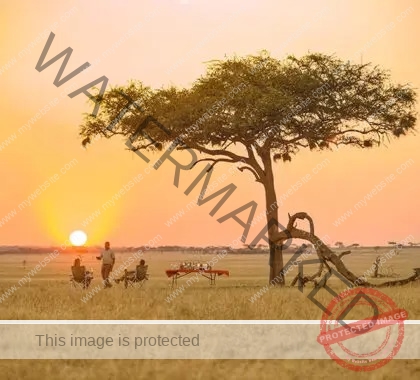
Best time? July to October for big migration action. Bonus adventure: hot air balloon rides over the plains—sunrise light, endless wildlife below—it’s magic.
Feel free to give us a call, send a WhatsApp message, drop us an email, or complete the online enquiry form — one of our friendly travel experts will be ready to help you start your journey toward a personalized safari adventure.
Amboseli National Park – Elephant Central
This is where elephants are the local celebs, often strolling with Kilimanjaro’s snow‑capped dome in the background. The park has swamps, marshes, open planes, thorn bush and more—kinda like a nature’s mix‑and‑match. The crowds gather June to October when wildlife bottlenecks around marshes—great elephant sightings guaranteed. You’ve also got over 80 mammal species and 400 types of birds. Hit Observation Hill for sweeping views, or hang out near Swamp below where hippos, buffalo and birds chill.
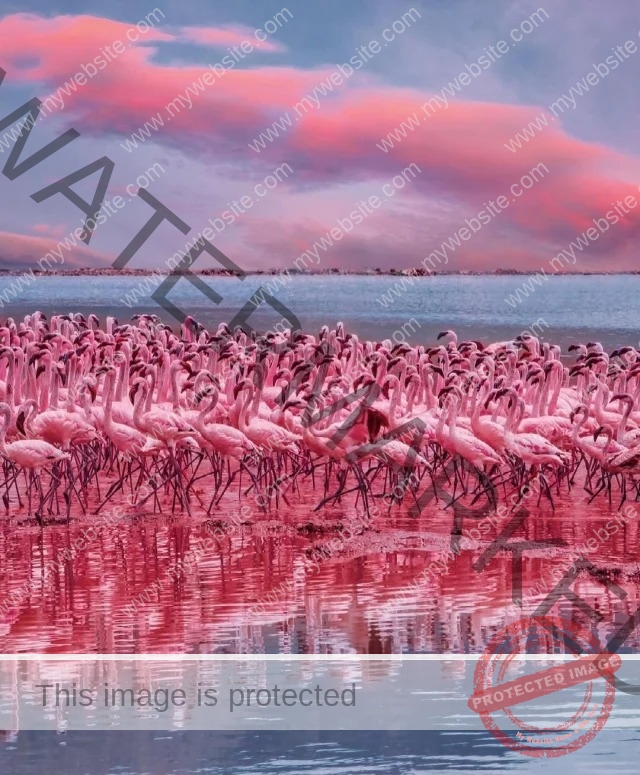
This compact park is famous for pink flamingos blanketing the lake, though numbers have fluctuated. But the vibe remains vivid—blue water, pink ribbons of birds, rocky cliffs, eucalyptus trees—just beautiful. You can also see white and black rhinos, Rothschild giraffes, lions, cheetahs, and pythons draped in trees. It’s small enough that the roads are easy to navigate and wildlife tends to stay put. Peak time: dry season, July to December. Hike up Lion Hill or Baboon Cliff for lake views and birdlife below.
Imagine wild landscapes dotted with lava beds, baobabs, springs and desert greens. Tsavo West is majestic and wide—think one of Kenya’s biggest parks.
Elephants (with that red Tsavo dust coat), lion prides, leopards, rhinos at Ngulia Sanctuary, dik‑dik, bushbaby, and baboons—so many surprises.
Mzima Springs is lush and crystal clear—hippos, crocs, fish all thrive there. Roaring Rocks viewpoint is wild too: wind whistles and cicadas hum as eagles soar overhead.
Want more thrill? Try rock‑climbing at Ebony Tower or Ivory Tower for panoramic views of the savannah.
This is a whole other world: rainforest, mist, waterfalls, moorlands, and cooler air. Think lush greenery instead of dusty savannah. You’re more likely to spot elephants, bongo antelope, bush pigs, hyenas and maybe even a golden cat hidden in bamboo forests. Stay at the Ark Lodge or Treetops Lodge—tree‑house meets wildlife slideshow at the watering hole below. These spots were once royal hideouts (yes, Queen Elizabeth stayed at Treetops back in the day!).
Aberdare National Park – rainforest waterfalls in the highlands
Imagine wild landscapes dotted with lava beds, baobabs, springs and desert greens. Tsavo West is majestic and wide—think one of Kenya’s biggest parks.
Elephants (with that red Tsavo dust coat), lion prides, leopards, rhinos at Ngulia Sanctuary, dik‑dik, bushbaby, and baboons—so many surprises.
Mzima Springs is lush and crystal clear—hippos, crocs, fish all thrive there. Roaring Rocks viewpoint is wild too: wind whistles and cicadas hum as eagles soar overhead.
Want more thrill? Try rock‑climbing at Ebony Tower or Ivory Tower for panoramic views of the savannah.
Lake Naivasha area – water, wildlife and walking safari mix
This area is peaceful and rich in variety—freshwater lake, flower farms, hippos, grazing zebra and antelope. Take a boat ride to Crescent Island: you can walk, picnic and mingle with animals—zebra, giraffe, buffalo—basically a wildlife petting zone (but stay respectful!). Then you’ve got Hell’s Gate National Park nearby, where you can cycle through canyons, climb volcanic cones, maybe catch steam vents among wildlife—all pretty dreamy for an active day safari.
Samburu National Reserve – distinctive northern wilds
A rugged, dry landscape with its own set of wildlife—Grevy’s zebra, reticulated giraffe, oryx, wild dogs, large elephant herds drinking from the Ewaso Ng’iro River. It’s remote and less crowded, which gives it peaceful energy. Birding is off the charts—450+ species. Plus, the Samburu people live nearby, and visiting their village offers rich, genuine cultural insight.
Ol Pejeta Wildlife Sanctuary – rhino haven + chimp rescue
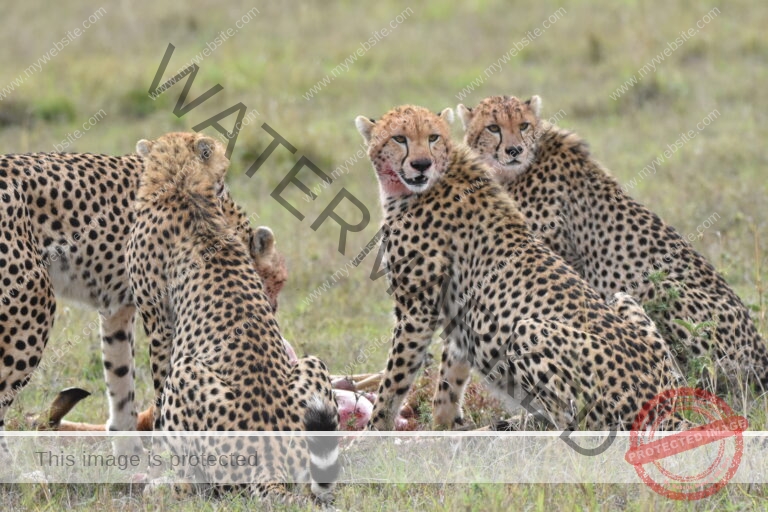
Just a few hours from Nairobi, this former ranch turned sanctuary hosts the last two northern white rhinos on earth, plus one of East Africa’s largest black rhino herds. There’s a chimp sanctuary and packs of wild dogs too. At night you can venture on a guided safari to spot nocturnal critters. They’ve got clever wildlife corridors that let animals roam safely—even rhinos are free to wander without fences.
Tsavo East – red‑dust elephants and African wildness
Kenya’s biggest and oldest park feels untamed. Red elephants roll in dusty mud, and lion males here often lack big manes. With sprawling plains and sparse foliage, spotting wildlife like buffalo, giraffe, leopard, rhino, and hundreds of birds is easier. I mean, picture the longest lava flow on earth, rivers disappearing in rocky falls—total raw nature.
Lake Bogoria – bubbling geysers & flamingo pastel lake
Less famous than Nakuru, but oh, it’s stunning. Alkaline waters feed millions of flamingos and hot springs bubble up like crazy. You might catch a geyser spouting metres tall like a volcanic fountain—KL30 is the star when it’s active. The birds, the springs, the color… unreal. Best seen September to February for dry skies and flamingo action.
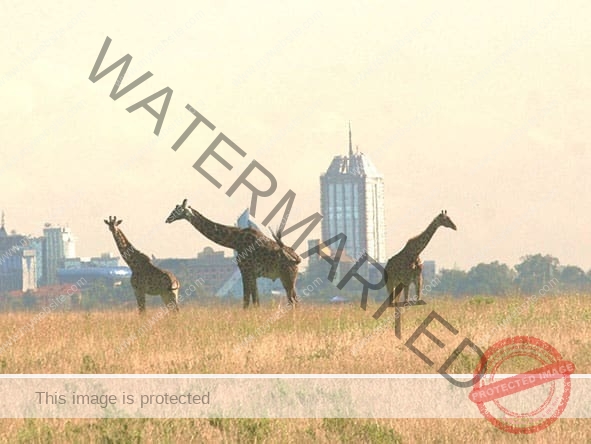
From the buzz of Nairobi city you can hop out to see lions and rhinos at Nairobi National Park—yes, real safari 7 km from skyscrapers. Don’t miss the David Sheldrick trust to meet orphan elephants, and the Giraffe Centre for slurpy giraffe encounters. There’s also the Karen Blixen house (Out of Africa fans unite!), Bomas of Kenya cultural dances, and rooftop views at KICC if you feel fancy.
Mombasa is island city charm: Fort Jesus, Old Town’s centuries of Swahili‑Portuguese‑Arab architecture, and the iconic Tusks. For beach time, you’ve got Bamburi, Nyali in the north and Diani or Tiwi down south. Great for diving, water‑sports, dolphin swims, coral reefs. Don’t miss Haller Park (turned quarry to animal refuge), or Shimba Hills—elephants, forest walks and waterfalls 33 km from town. Also Gede Ruins—a ghost‑town of coral‑stone homes, coral‑stone mosques and palace—fascinating piece of coastal history.
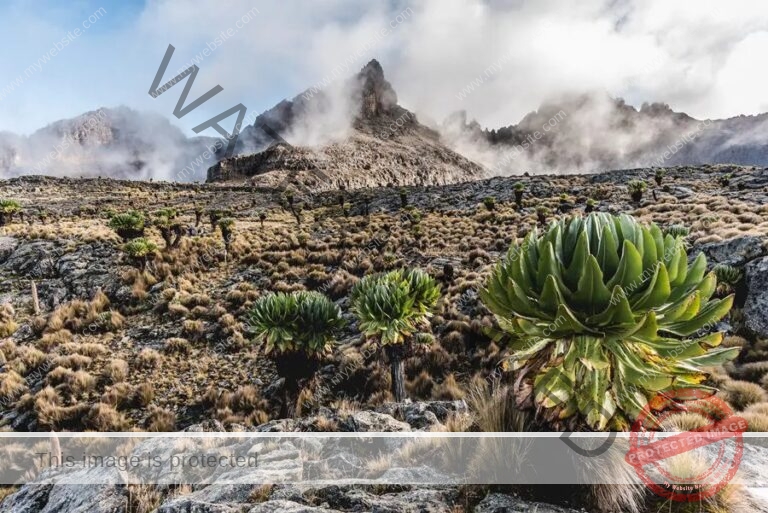
Africa’s second‑highest peak, sacred to the Kikuyu, and rich with mountain forest, alpine flora, and even equatorial snow. You can summit Lenana (4,985 m) in a few days if you’re fit. Even if not climbing, the highlands around Nanyuki or Naro Moru offer trout fishing, forest game, and serenity. Early dawn views of snow peaks are unforgettable—there’s a spiritual calm up there.